- Geekflare Newsletter
- Posts
- Microsoft's plan to turn Copilot into an always-on autonomous agent
Microsoft's plan to turn Copilot into an always-on autonomous agent
How Microsoft is building an enterprise-safe version of OpenClaw.

Hey everyone,
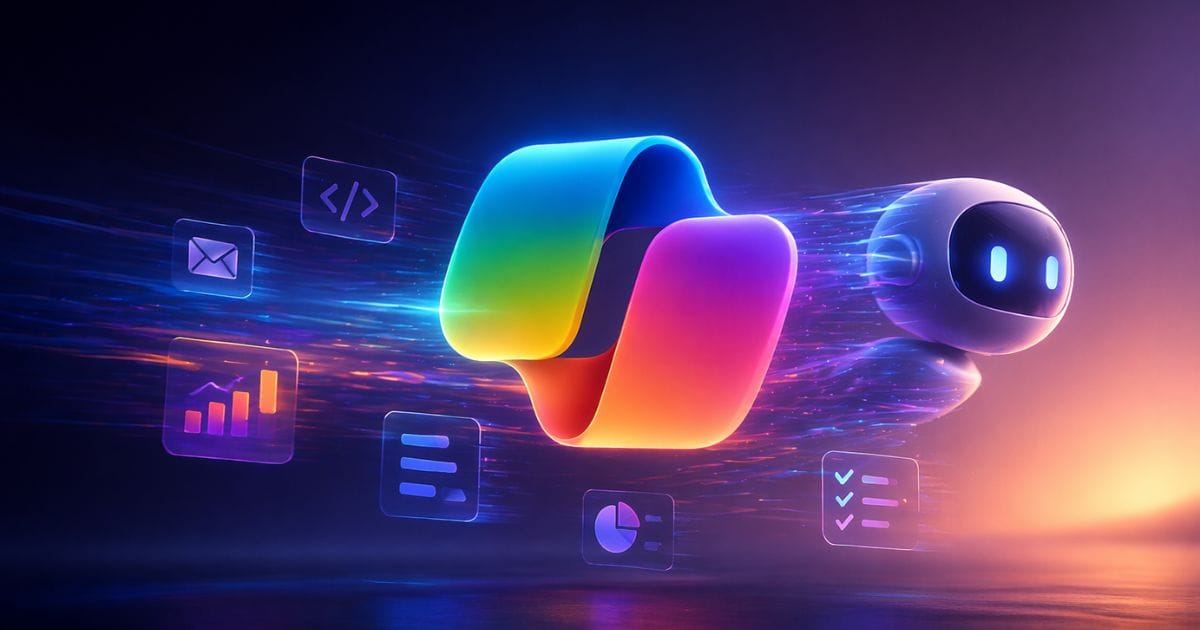
Welcome to this Wednesday's deep dive. We are looking at a major shift in enterprise software: Microsoft is testing features to transform Microsoft 365 Copilot from a conversational assistant into an autonomous, always-on AI agent.
Based on recent reports, Microsoft is exploring new capabilities for Copilot that are heavily inspired by the popular open-source platform OpenClaw. Here is a breakdown of what Microsoft is planning, why they are making this shift, and how it differs from existing open-source alternatives.
The Shift to an Always-On Agent
Currently, Microsoft 365 Copilot operates mainly as a conversational assistant. It waits for you to ask a question or give a prompt, such as summarizing a document or drafting an email.
Microsoft's new direction aims to transform Copilot into an independent worker. According to reports, Microsoft is testing an always-on Copilot agent that could manage your Outlook inbox, handle your calendar, and complete workflows across tools like Word, Excel, Teams, and SharePoint in the background. Instead of single-prompt interactions, the agent is meant to execute multi-step tasks and persist state over time—meaning it can start a task, wait for an approval or new data, and then continue working later.
The OpenClaw Influence and Security Risks
This shift is directly inspired by OpenClaw, a free, open-source platform that allows users to create AI agents that run locally and control desktop applications. The autonomous agent phenomenon has grown rapidly this year, highlighted by OpenAI recently hiring OpenClaw's creator, Peter Steinberger, to lead the development of personal-agent products. OpenAI also plans to support OpenClaw as an open-source foundation project.
However, OpenClaw has significant security vulnerabilities. Because it runs with wide access to a computer's system, it poses a major risk for businesses. Recently, Chinese cybersecurity authorities and financial-sector bodies have issued public warnings about OpenClaw's security risks, advising financial institutions to avoid installing it on devices handling core business operations.
The Enterprise Moat
This security gap is exactly what Microsoft is targeting. Omar Shahine, Microsoft's Corporate Vice President, confirmed the company is exploring OpenClaw-like technologies specifically in an "enterprise context."
Unlike open-source agents that offer freedom with no guardrails, Microsoft is building agents with strict enterprise governance. The company is reportedly developing role-specific agents tailored for functions like marketing, sales, and accounting. These agents are designed with limited permissions to keep them focused on their designated domain, preventing them from accessing unrelated parts of a business's systems.
By integrating these agents directly into the Microsoft 365 ecosystem, Microsoft ensures that actions are constrained by existing data loss prevention (DLP) policies and compliance regulations.
That is it for today’s deep dive. Let me know your thoughts by hitting reply.
Use Multiple AI Models in One Place
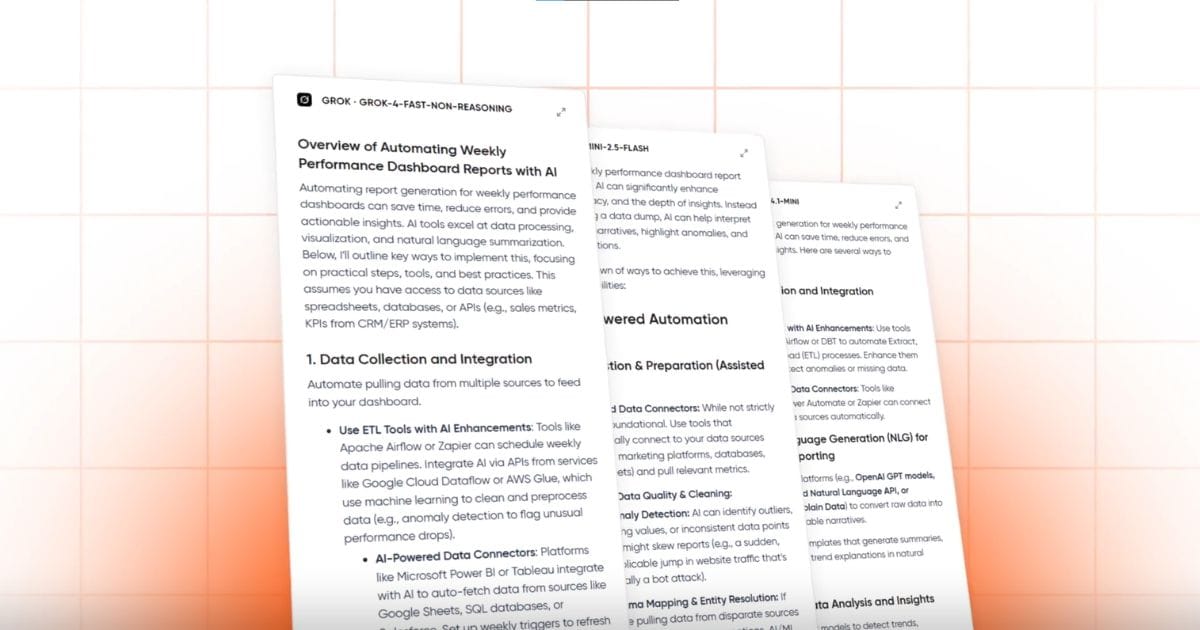
Geekflare Chat lets you access multiple AI models from a single platform, so you don’t need separate subscriptions for each one.
Instead of switching between tools, you can use different models in one place and choose the best one for your task. It’s simple, convenient, and built for everyday use.
👉 One platform. Multiple AI models. No juggling.
Save Money on AI Subscriptions
Cheers,
Keval, Editor
Reply