- Geekflare Newsletter
- Posts
- Is AI Actually Getting Smarter?
Is AI Actually Getting Smarter?
[INSIDE] Why better answers don’t always mean better intelligence


Hey folks,
It’s Wednesday, and time for a new Deep Dive and Analysis.
Every new AI release seems to come with the same message:
smarter, better, more capable than before.
Benchmarks improve. Demos look sharper. Answers feel more confident and well-structured.
It’s natural to assume this means AI is becoming smarter in a broad, human-like sense.
But that assumption deserves a closer look.
What Do We Mean by “Smarter”?
When people say AI is getting smarter, they usually mean things like:
Better understanding
Better reasoning
Better judgment
Better handling of unfamiliar situations
These are human notions of intelligence.
In contrast, AI progress is typically measured using:
Task accuracy
Benchmark scores
Performance on specific evaluations
Right away, there’s a mismatch.
We’re using one word “smarter” to describe two very different ideas.
Where AI Has Clearly Improved
Before questioning the narrative, it’s important to acknowledge real progress.
Modern AI systems are undeniably better at:
Producing fluent, coherent language
Following instructions
Handling multi-step tasks
Writing and refactoring code
Retrieving and combining information
These improvements are real, measurable, and useful.
AI today can do things that were not possible just a few years ago.
This isn’t stagnation. It’s progress.
What’s Driving These Improvements
The main drivers behind recent gains are well understood:
Larger models
More training data
More compute
Better fine-tuning and evaluation methods
Crucially, these improvements come from scale and optimisation, not from AI systems developing new internal forms of understanding, intent, or awareness.
The models are better trained, not fundamentally different in how they operate.
Better-Trained vs Smarter
This distinction matters.
Modern AI systems:
Learn statistical patterns from large datasets
Generate outputs by predicting likely next tokens
Do not form beliefs, goals, or internal models of truth
When an AI produces a well-reasoned answer, it’s generating text that resembles reasoning, based on patterns it has seen, rather than performing reasoning in the human sense.
In simple terms:
AI is getting better at producing convincing answers.
That is not the same as understanding the answers.
Why AI Still Fails in Surprising Ways
This helps explain a familiar experience.
AI can:
Explain complex topics clearly
Sound confident and authoritative
Yet it can also:
Be confidently wrong
Contradict itself when questions are rephrased
Struggle with edge cases
Miss obvious constraints unless explicitly stated
If AI were becoming “smarter” in a general, human-like way, these failures would diminish more consistently. Instead, they remain a predictable part of how these systems behave.
Why Benchmarks and Demos Amplify the Perception
Benchmarks and demos play an important role, but they show a narrow slice of reality.
Benchmarks:
Test specific, well-defined tasks
Reward performance under controlled conditions
Demos:
Showcase best-case scenarios
Avoid ambiguity and edge cases
Real-world use is very different. It’s open-ended, messy, and full of incomplete information, conditions where current AI systems are much less reliable.
This gap makes AI feel smarter than it often is in practice.
So, Is AI Actually Getting Smarter?
The most accurate answer is a nuanced one:
AI is getting better at many tasks
It is not becoming smarter in a human-like, general sense
The progress is real, but different from how people intuitively imagine intelligence
Understanding this distinction helps set realistic expectations.
Why This Distinction Matters
Overestimating AI intelligence leads to over-trust.
Over-trust leads to poor decisions.
When people understand how AI improves, and where its limits remain, they can use it more effectively, more safely, and with better judgment.
AI progress is impressive.
But intelligence is more than fluent answers and rising scores.
The real challenge isn’t whether AI is getting smarter.
It’s whether we’re getting better at understanding what AI actually is.
That’s today’s Wednesday Deep Dive & Analysis.
See you tomorrow with new prompts and its use cases.
Curated Prompt Library
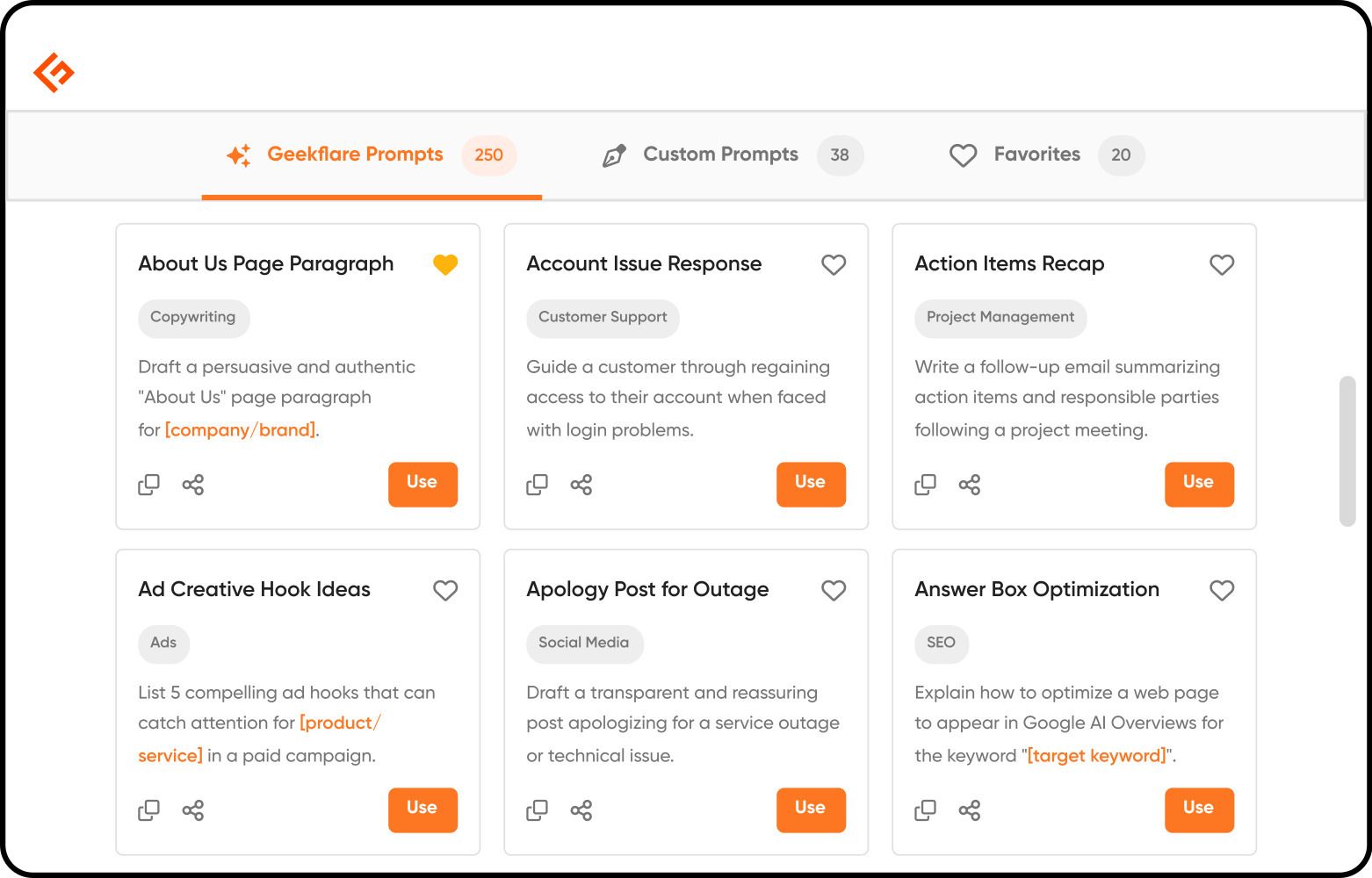
Kickstart any task with our Curated Prompt Library, packed with ready-to-use prompts for everyday work. You can also create your own custom prompts, save them privately, and share them with your team, so everyone stays consistent, faster, and on the same page.
Why Your AI Costs Keep Increasing (And How to Fix It)
Cheers,
Keval, Editor
Reply